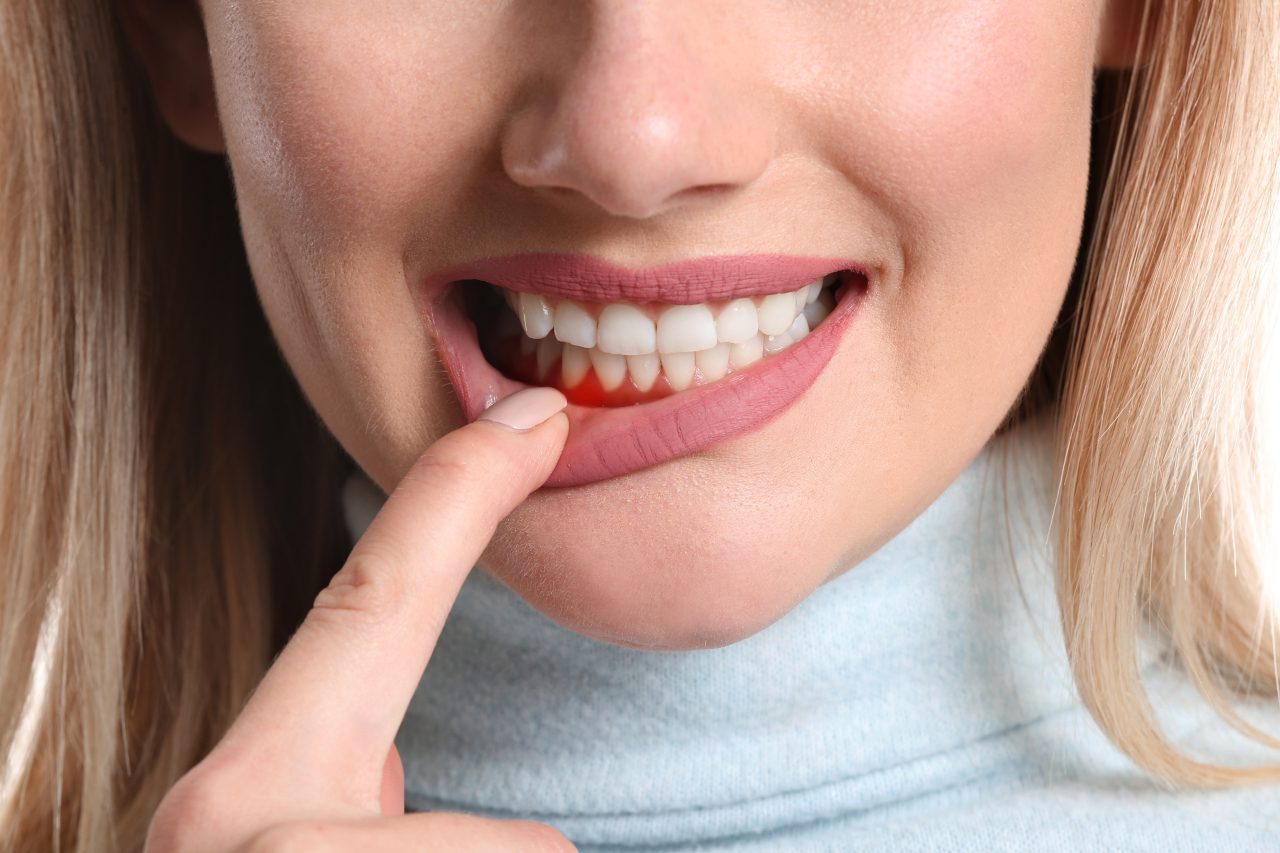
Have your teeth started to look slightly longer than they used to? Do you notice sensitivity near the gumline when drinking cold water or brushing? These changes may be related to gum recession, a condition in which gum tissue gradually moves away from its original position around the teeth.
Gum recession deserves attention because the gums play an important role in supporting and protecting your smile. Through periodontal care in Collegeville, PA, The Dental Spot helps patients identify gum changes, understand possible causes, and develop strategies for protecting their oral health.
Recession does not always cause immediate pain, which means it may progress gradually before a patient realizes something has changed. Recognizing the early signs can make it easier to address contributing factors and protect exposed tooth surfaces.
What Is Gum Recession?
Gum recession occurs when the margin of gum tissue surrounding a tooth moves downward or upward, depending on the location in the mouth, exposing more of the tooth or its root.
Healthy gums help cover and protect tooth roots. When the tissue recedes, the root surface may become exposed.
Root surfaces are different from the enamel-covered crowns of teeth. They can be more vulnerable to sensitivity, wear, and decay.
What Does Gum Recession Look Like?
Gum recession can appear differently from one patient to another.
Common signs may include:
- Teeth that appear longer
- An uneven gumline
- Visible root surfaces
- Sensitivity to cold
- Notches near the gumline
- Changes around one specific tooth
- Increased spaces between teeth near the gums
Some patients notice recession first when comparing recent photos with older ones. Others become aware of it after experiencing sensitivity.
What Causes Gum Recession?
There is no single cause of gum recession.
Several factors may contribute, including:
- Periodontal disease
- Aggressive toothbrushing
- Thin natural gum tissue
- Tooth position
- Grinding or clenching
- Tobacco use
- Changes in the bite
- Long-term plaque accumulation
Determining why the gumline is changing is an important part of creating an appropriate care plan.
Can Brushing Too Hard Cause Recession?
Yes, overly aggressive brushing can contribute to gum and tooth wear in some patients.
Many people assume that harder brushing creates cleaner teeth. In reality, effective brushing depends more on technique and consistency than force.
Using stiff bristles or scrubbing aggressively near the gumline may irritate tissues and contribute to wear over time.
A soft-bristled toothbrush is generally preferred for everyday care.
Helpful brushing habits include:
- Use gentle pressure
- Choose a soft-bristled brush
- Angle the bristles toward the gumline
- Use small controlled movements
- Brush for approximately two minutes
- Replace worn toothbrush heads regularly
How Gum Disease Can Lead to Recession
Periodontal disease is an infection and inflammatory condition that affects the tissues supporting the teeth.
As gum disease progresses, supporting structures may become damaged. The gumline may recede, periodontal pockets can deepen, and bone support may decline.
Possible signs of periodontal disease include:
- Bleeding gums
- Persistent swelling
- Bad breath
- Loose teeth
- Changes in tooth position
- Receding gums
The Dental Spot screens patients for gum disease during routine examinations and provides targeted periodontal care when needed.
Why Receding Gums Can Cause Sensitivity
The visible crown of a tooth is covered by strong enamel. Tooth roots do not have the same protective enamel covering.
When recession exposes root surfaces, temperature changes may reach sensitive areas more easily.
Patients may notice discomfort from:
- Cold beverages
- Hot foods
- Sweet foods
- Toothbrushing
- Cold air
Sensitivity should be evaluated because several dental conditions can produce similar symptoms.
Gum Recession and Root Cavities
Exposed roots may be more vulnerable to tooth decay than enamel-covered surfaces.
This becomes particularly important for older adults and patients with dry mouth.
Preventive strategies may include fluoride, careful plaque control, dietary changes, and more frequent monitoring when necessary.
Regular preventive dentistry visits allow the dental team to monitor exposed areas before decay becomes advanced.
Can Receding Gums Grow Back?
Once gum tissue has significantly receded, it generally does not simply grow back to its original position on its own.
However, progression may often be slowed or stabilized by addressing contributing factors.
Treatment depends on the severity and cause of recession.
Some patients may need changes in brushing technique, periodontal therapy, management of grinding, or specialized gum treatment.
Why Early Evaluation Matters
Early gum recession may be easier to manage because the dental team can identify habits or conditions contributing to the change.
For example, changing an overly aggressive brushing technique may help prevent continued mechanical irritation.
If gum disease is contributing to recession, periodontal treatment can help manage the infection and protect remaining support.
Waiting until significant root exposure or mobility develops may limit conservative treatment options.
How Is Gum Recession Evaluated?
A dental evaluation may include:
- Visual examination
- Measurement of gum recession
- Periodontal pocket measurements
- Evaluation of tooth position
- Assessment of brushing habits
- Digital X-rays when appropriate
- Evaluation for grinding or clenching
The goal is to understand both the recession itself and the reason it is developing.
Daily Habits That Help Protect Your Gumline
Good home care can help reduce inflammation and unnecessary trauma.
Consider the following habits:
- Brush gently twice daily
- Use a soft-bristled toothbrush
- Clean between teeth every day
- Do not snap floss into the gums
- Drink water regularly
- Avoid tobacco products
- Wear a night guard if prescribed
- Attend recommended dental cleanings
Patients with periodontal disease may require a more frequent maintenance schedule than patients with healthy gums.
Benefits of Early Gum Recession Care
Addressing gum recession and its contributing factors early may provide several advantages:
- Protection of exposed roots: Early care can help reduce the risk of further exposure.
- Improved comfort: Managing sensitivity may make eating, drinking, and brushing easier.
- Better periodontal monitoring: Changes can be measured and compared over time.
- Reduced inflammation: Professional care can help control gum disease when it is present.
- Improved brushing technique: Patients can learn how to clean effectively without unnecessary force.
- Lower risk of root decay: Preventive strategies can protect vulnerable surfaces.
- Long-term tooth support: Healthy gums and supporting bone are important for keeping natural teeth stable.
When Should You Schedule an Evaluation?
Consider scheduling a dental visit if you notice:
- Your teeth appear longer
- The gumline is uneven
- Cold sensitivity near the roots
- Persistent gum bleeding
- Loose permanent teeth
- New gaps near the gumline
- Changes in your bite
- A notch or worn area near the gumline
You do not need to wait until recession becomes uncomfortable to discuss it with your dentist.
Protect the Foundation of Your Smile
Healthy gums provide essential support for healthy teeth. Gum recession can expose sensitive root surfaces and may signal that brushing technique, periodontal health, or other factors need attention.
If you have noticed changes in your gumline, contact The Dental Spot in Collegeville, PA at (484) 854-6900 to book an appointment and learn how personalized periodontal and preventive care can help protect your smile.