Finishing clear aligner treatment is an exciting milestone. After months of wearing aligners and watching your teeth gradually move, you may be looking forward to a simpler daily routine. But does orthodontic treatment really end when you remove your final aligner? Not quite. Keeping teeth in their corrected positions is an important part of protecting the results.
At The Dental Spot, orthodontic treatment in Collegeville, PA includes Invisalign and clear aligner care for teens and adults. The practice also identifies retainers as part of the completion process, helping patients maintain the alignment achieved through treatment.
Retainers may seem like a small detail compared with the months spent moving teeth, but they play an essential role. Understanding why teeth shift, how retainers work, and what to do when something goes wrong can help you maintain your results over time.
Why Do Teeth Move After Clear Aligner Treatment?
Teeth are not permanently fixed in the jaw like posts set in concrete. They are supported by living bone, periodontal ligaments, and surrounding tissues.
During orthodontic treatment, controlled forces gradually move teeth into planned positions. The surrounding tissues respond and adapt as the teeth shift.
However, those tissues continue changing after active treatment ends. Teeth also remain subject to everyday forces from chewing, oral habits, and normal biological changes.
Therefore, teeth can drift or relapse toward previous positions without appropriate retention.
Even people who have never received orthodontic treatment may notice changes in tooth alignment as they age.
Retainers help manage this natural tendency by maintaining tooth positions after the active movement phase.
What Is an Orthodontic Retainer?
A retainer is an appliance designed to help hold teeth in their corrected positions after orthodontic treatment.
Retainers may be removable or fixed, depending on the treatment plan and individual needs.
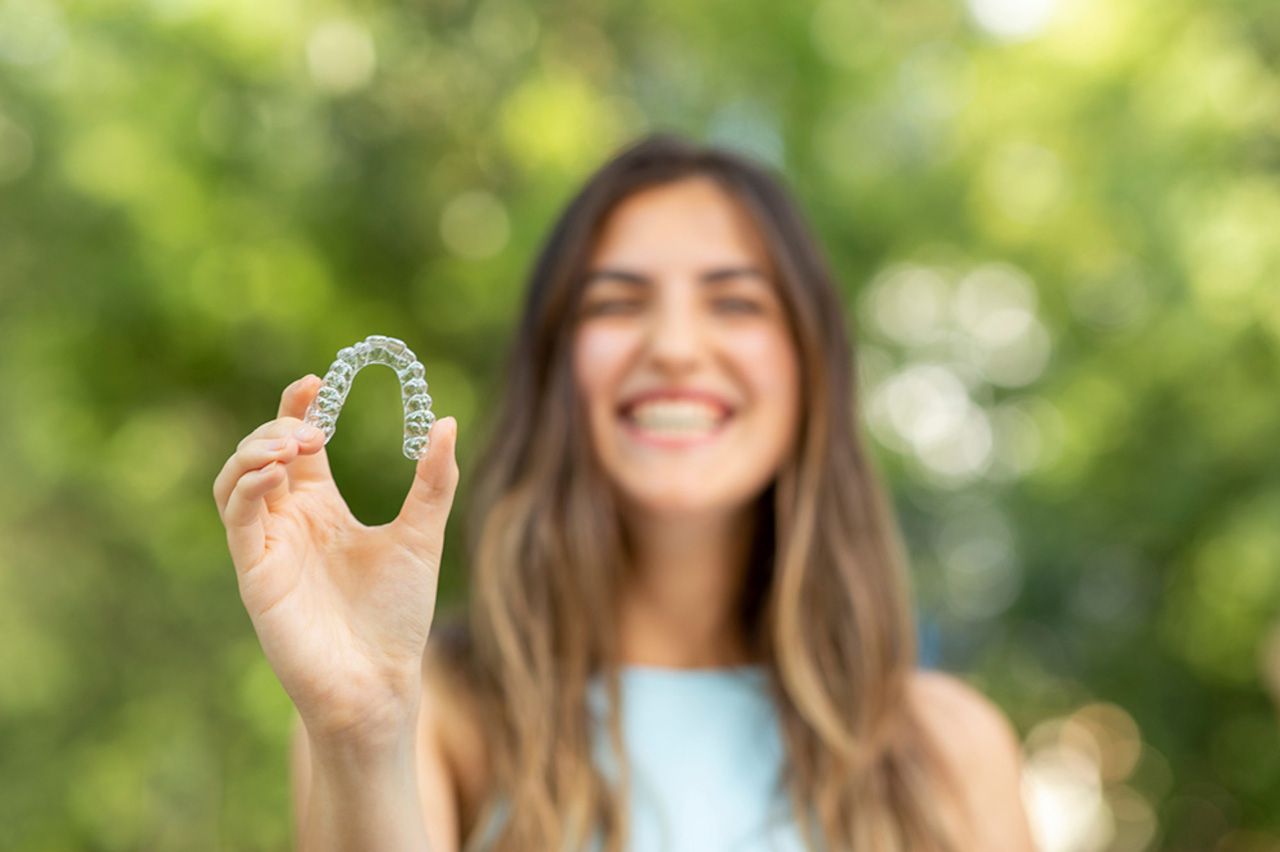
Clear removable retainers resemble transparent aligners, although their primary purpose is different. Active aligners are designed to move teeth according to a planned sequence. Retainers are intended to maintain the final position.
Other removable retainers may incorporate acrylic and wire components. Fixed retainers usually involve a thin wire attached to selected teeth.
No single retainer design is automatically best for every patient. Your dentist considers the original alignment problem, final tooth positions, bite, oral hygiene, and other factors when recommending retention.
How Long Do You Need to Wear a Retainer?
Retainer wear is not necessarily a short-term commitment. Teeth can continue shifting throughout life, so long-term retention is often recommended.
The exact schedule varies. Some patients are instructed to wear removable retainers more extensively during the initial period after treatment, followed by nighttime wear.
Others may receive different instructions based on their orthodontic history and the type of retainer provided.
It is important not to substitute a friend’s retainer schedule for your own. Their original tooth positions and treatment needs may have been different.
Follow the instructions from your treating dentist, and ask how the schedule should change over time.
If you are unsure whether you still need your retainer years after treatment, consult a dental professional before stopping use.
What Happens If You Stop Wearing Your Retainer?
Without retention, teeth may begin shifting away from their corrected positions.
The amount and speed of movement vary considerably. Some people notice changes relatively quickly, while others experience gradual shifting over months or years.
Common changes may include renewed crowding, small spaces, or alterations in how the teeth fit together.
However, not every movement is immediately visible. A retainer that previously fit comfortably may become noticeably tighter if tooth positions have changed.
If you have stopped wearing your retainer and are concerned about movement, contact your dentist. The appropriate response depends on how much shifting has occurred.
Benefits of Wearing Orthodontic Retainers
Retainers are an important part of maintaining orthodontic results after clear aligner treatment.
- Helps maintain corrected alignment: Retainers are designed to hold teeth in their planned positions after active treatment.
- Reduces the risk of relapse: Consistent wear can help limit unwanted movement toward previous positions.
- Supports long-term treatment value: Retention helps protect the time and effort invested in orthodontic care.
- Maintains planned tooth relationships: Keeping teeth aligned supports the arrangement established during treatment.
- Provides ongoing monitoring opportunities: Retainer appointments can help identify fit or alignment changes.
- Offers convenient removable options: Clear removable retainers may fit into an established nighttime routine.
- Encourages long-term maintenance: Retainer care reinforces the idea that orthodontic results need continued attention.
These benefits depend on proper fit, consistent wear, and following professional instructions.
Are Retainers the Same as Invisalign Aligners?
Clear retainers and Invisalign aligners may look similar, but their functions differ.
During active orthodontic treatment, aligners are manufactured in a sequence to guide teeth through planned movements.
Retainers are designed primarily to hold teeth in their corrected positions after that movement is complete.
Because of this difference, patients should not assume that an old aligner can replace a properly prescribed retainer.
An earlier aligner may no longer match the final tooth positions and could apply unwanted pressure.
Similarly, a retainer should not be modified at home in an attempt to move teeth.
If you have questions about which appliance to wear, contact the dental team that manages your orthodontic care.
How Do You Clean Clear Retainers?
Retainers spend considerable time in contact with your teeth, so cleaning them regularly is important.
Follow the cleaning instructions provided with your appliance. Depending on the retainer material, your dental team may recommend gentle cleaning with suitable products and cool or lukewarm water.
Avoid exposing clear plastic retainers to very hot water because heat can distort certain materials.
Likewise, do not assume every household cleaner or mouthwash is safe for your appliance. Some products may damage the material or cause discoloration.
Brush and clean between your teeth before inserting a removable retainer according to your dentist’s instructions.
Keeping both the retainer and your mouth clean helps reduce plaque and odor buildup.
Can You Eat or Drink While Wearing Retainers?
Instructions depend on the type of retainer.
Removable clear retainers are generally taken out for meals. Eating with them in place can damage the appliance or trap food against the teeth.
For beverages, follow your dentist’s guidance. Water is usually the simplest option when wearing a clear removable appliance.
Hot drinks may distort certain plastics, while sugary or acidic beverages can become trapped between the appliance and teeth.
After eating, clean your teeth as appropriate before reinserting the retainer.
Fixed retainers remain attached to the teeth, so their maintenance involves careful brushing and cleaning around the wire.
What If Your Retainer Feels Tight?
A retainer may feel slightly different after a period of nonuse, but significant tightness can indicate tooth movement or an appliance problem.
Do not force a retainer into place if it no longer fits properly or causes substantial discomfort.
Forcing an ill-fitting appliance may damage the retainer or place inappropriate pressure on the teeth.
Instead, contact your dentist for an evaluation.
The dentist can determine whether the retainer remains usable, needs replacement, or whether additional orthodontic care should be considered.
Addressing changes sooner may provide more options than waiting until movement becomes pronounced.
What Should You Do If You Lose Your Retainer?
Lost retainers are a common practical problem, especially when appliances are removed during meals or travel.
If you lose yours, contact your dental office promptly rather than waiting until your next routine checkup.
Because teeth may shift without retention, timely replacement can be important.
Do not borrow someone else’s retainer or attempt to reshape an old appliance.
When a replacement is needed, the dentist may evaluate your current tooth positions and determine how to proceed.
A protective case can help prevent future losses. Retainers wrapped in napkins are particularly easy to throw away accidentally.
How Often Should Retainers Be Replaced?
Retainers do not necessarily last forever. Removable appliances can wear, crack, distort, or become loose over time.
The lifespan depends on the material, care habits, grinding forces, and frequency of use.
Inspect your retainer regularly for visible damage. If you notice cracks, sharp edges, poor fit, or another change, contact your dentist.
Fixed retainers also need monitoring because bonding material can loosen or wires can break.
During routine dental appointments, mention that you wear a retainer so the dental team can consider its condition and your orthodontic history.
Can Teeth Shift Even When You Wear a Retainer?
Retainers reduce unwanted movement, but they do not eliminate every possible change throughout life.
Wear patterns, bite forces, dental restorations, gum health, and natural aging can influence tooth positions.
Additionally, an appliance that no longer fits properly may not provide the intended retention.
For this reason, regular dental care remains important after orthodontic treatment.
If you notice new spaces, crowding, bite changes, or difficulty seating your retainer, arrange an evaluation.
Minor changes are often easier to assess when they are identified early.
Do You Still Need Dental Checkups After Invisalign?
Absolutely. Straightening teeth does not make them resistant to cavities, gum disease, or other dental concerns.
Continue brushing with fluoride toothpaste and cleaning between teeth every day.
Regular professional examinations allow your dentist to monitor the teeth, gums, bite, restorations, and retainer condition.
If you have a fixed retainer, additional attention may be necessary to remove plaque around the wire.
Patients with removable retainers should also maintain a consistent cleaning routine to avoid transferring deposits back onto freshly cleaned teeth.
Orthodontic treatment and preventive dentistry work together to support a healthy smile.
Can Retainers Affect Speech or Comfort?
Some patients notice a temporary change in speech when first wearing a removable retainer. This can occur because the tongue needs time to adjust to the appliance.
Minor awareness of a new retainer may also be normal initially.
However, a retainer should not cause persistent significant pain, cut into tissues, or prevent normal function.
If discomfort continues, contact your dentist. The appliance may need evaluation or adjustment.
Do not attempt to trim or reshape the retainer yourself, as this may compromise its fit.
What About Retainers for Teenagers?
Teenagers often complete orthodontic treatment during a busy stage of life that includes school, sports, activities, and changing routines.
Because removable retainers depend on consistent wear, developing a predictable habit can be particularly helpful.
Keeping a protective case in a consistent location and setting an appropriate reminder may reduce missed wear.
Parents can support the routine without turning it into a daily conflict. Encourage teenagers to understand that retainers protect the results of treatment they have already completed.
Regular follow-up appointments also allow the dental team to review fit and address questions as the patient becomes more independent.
How Can You Make Retainer Wear a Lasting Habit?
Long-term habits are easier to maintain when they fit naturally into existing routines.
If your dentist recommends nighttime wear, connect retainer use with brushing and preparing for bed.
Keep the appliance in its protective case whenever it is not in your mouth. Avoid placing it loosely in pockets, bags, or on countertops.
Clean it regularly using approved methods, and periodically inspect it for damage.
Most importantly, continue following your prescribed wear schedule even when your teeth appear perfectly straight.
The absence of visible movement does not mean retention is no longer useful.
Protect Your Clear Aligner Results in Collegeville, PA
Completing clear aligner treatment is an important achievement, but maintaining the result requires continued attention. Retainers help manage the natural tendency of teeth to shift, and consistent wear can support the alignment established during orthodontic care. With appropriate cleaning, follow-up visits, and timely replacement when needed, retainer care can become a manageable part of your routine.
If you have questions about Invisalign retainers or maintaining your orthodontic results, contact The Dental Spot in Collegeville, PA. Call Us Today at (484) 854-6900 to book an appointment and discuss your retainer needs.