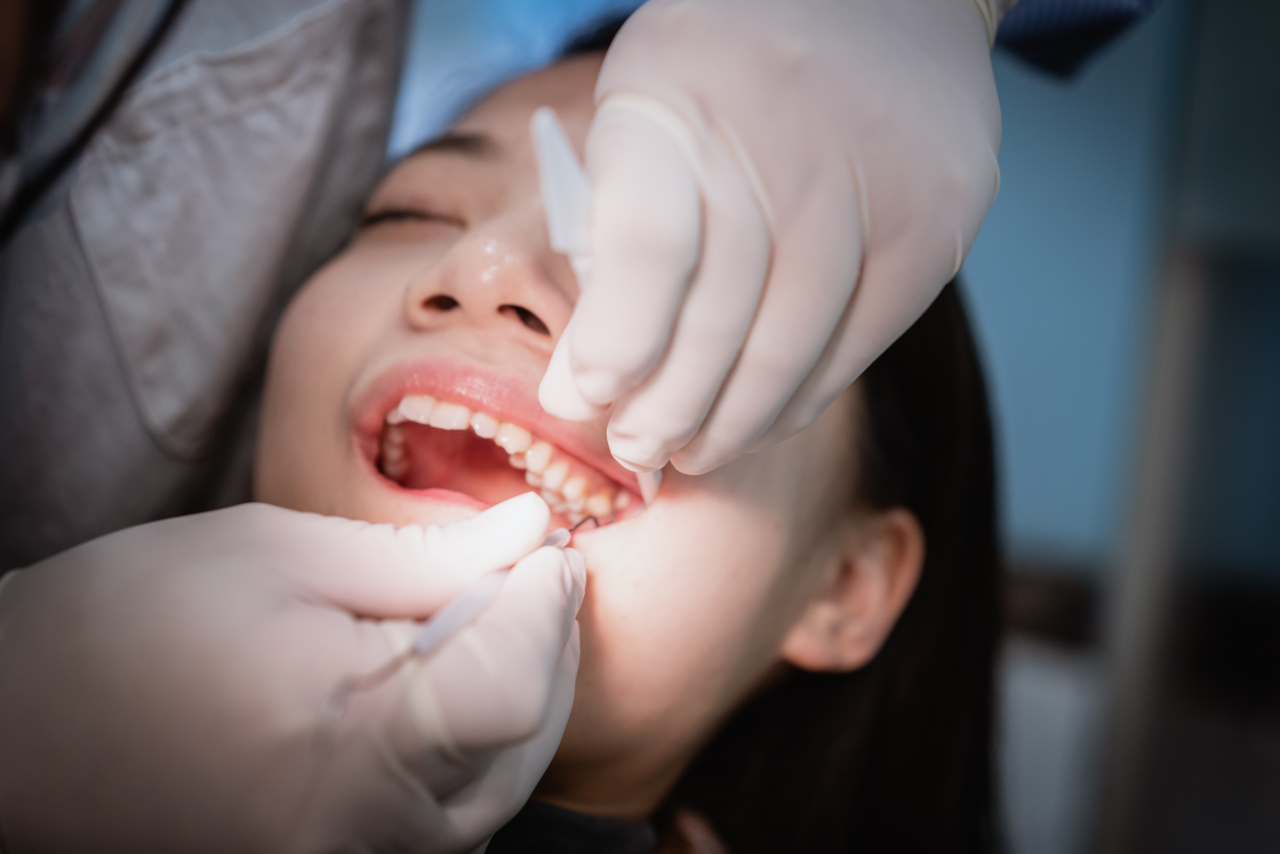
Few dental procedures have been surrounded by as many misconceptions as root canal therapy. For years, many people have associated root canals with discomfort, lengthy appointments, and anxiety. In reality, modern root canal treatment is designed to relieve pain—not cause it—and has become one of the most effective ways to save a natural tooth that might otherwise need to be extracted.
If you’ve ever been told you may need a root canal, it’s natural to have questions. What exactly is a root canal? How do you know if you need one? Will it hurt? Can the tooth still function normally afterward?
Understanding the answers to these questions can help ease concerns and allow you to make informed decisions about your oral health. The truth is that root canal therapy is often the best option for preserving your natural smile while eliminating infection and preventing more serious dental problems.
At The Dental Spot in Collegeville, PA, root canal therapy is performed with patient comfort and long-term oral health in mind. Using modern techniques and careful treatment planning, the goal is to relieve pain, save your natural tooth, and restore your ability to smile and chew with confidence.
What Is Root Canal Therapy?
Every tooth contains more than the hard enamel visible above the gums. Beneath the enamel and dentin lies a soft tissue called the dental pulp.
The pulp contains:
- Blood vessels
- Nerves
- Connective tissue
During childhood, the pulp plays an important role in tooth development. Once the tooth is fully mature, however, it can continue functioning normally without the pulp because it receives nourishment from surrounding tissues.
A root canal becomes necessary when the pulp becomes inflamed or infected.
During treatment, the damaged pulp is carefully removed, the inside of the tooth is cleaned and disinfected, and the canals are sealed to help prevent future infection.
The goal is to preserve the natural tooth while eliminating the source of pain and infection.
Why Saving Your Natural Tooth Matters
Whenever possible, dentists strive to preserve natural teeth.
Although modern tooth replacement options such as dental implants and bridges are excellent solutions when needed, nothing functions exactly like your own natural tooth.
Keeping your natural tooth helps:
- Maintain proper bite alignment
- Preserve chewing efficiency
- Prevent neighboring teeth from shifting
- Support jawbone health
- Avoid unnecessary extractions
- Maintain your natural smile
Root canal therapy often makes it possible to save a tooth that would otherwise be lost.
What Causes a Tooth to Need a Root Canal?
Several conditions can allow bacteria to reach the pulp inside the tooth.
The most common causes include:
Deep Tooth Decay
Untreated cavities gradually grow larger.
As decay progresses deeper into the tooth, bacteria may eventually reach the pulp, causing inflammation or infection.
Cracked Teeth
Even small cracks can create pathways for bacteria.
Sometimes cracks develop after trauma, biting hard foods, or years of wear.
Large Fillings
Teeth that have undergone multiple restorations over time may become more vulnerable to pulp irritation.
Dental Trauma
A blow to the mouth may damage the pulp even if the tooth appears intact externally.
Sports injuries, falls, and automobile accidents can all contribute.
Repeated Dental Procedures
Teeth that have undergone extensive restorative work may occasionally develop pulp inflammation over time.
Signs You May Need a Root Canal
Not every infected tooth causes immediate pain.
However, many patients experience symptoms such as:
- Persistent toothache
- Sharp pain while chewing
- Lingering sensitivity to hot or cold
- Swollen gums
- Tenderness around a tooth
- Tooth discoloration
- Facial swelling
- A pimple-like bump on the gums
- Bad taste in the mouth
Some infected teeth produce very few symptoms.
Routine dental examinations often identify problems before they become severe.
Understanding Tooth Pain
Many patients assume any toothache automatically means they need a root canal.
This is not always true.
Tooth pain may result from:
- Cavities
- Gum disease
- Tooth fractures
- Worn enamel
- Sinus pressure
- Bite problems
- Tooth grinding
Only a comprehensive dental examination can determine the exact cause.
Proper diagnosis is essential because treatment depends entirely on the underlying problem.
What Happens During a Root Canal?
Modern root canal therapy follows a carefully planned process designed to maximize comfort and long-term success.
Step One: Examination and Diagnosis
The dentist first evaluates the affected tooth using:
- Clinical examination
- Digital X-rays
- Medical history
- Symptom review
These findings help determine whether root canal therapy is the appropriate treatment.
Step Two: Local Anesthesia
The treatment area is thoroughly numbed before the procedure begins.
Many patients are surprised to discover that a root canal often feels similar to having a routine filling placed.
The goal is to keep you comfortable throughout the appointment.
Step Three: Removing the Infected Pulp
A small opening is created in the tooth.
Specialized instruments are used to remove infected or damaged pulp tissue from inside the canals.
The canals are then carefully shaped and cleaned.
Step Four: Disinfecting the Tooth
The inside of the tooth is thoroughly disinfected to reduce bacteria and prepare the canals for sealing.
Cleaning this internal space is one of the most important parts of treatment.
Step Five: Sealing the Canals
After cleaning, the canals are filled with a specialized material designed to seal the tooth and reduce the risk of future contamination.
Step Six: Restoring the Tooth
Many teeth benefit from a dental crown following root canal therapy.
The crown strengthens the tooth while restoring normal function and appearance.
Does a Root Canal Hurt?
This is easily the most common question patients ask.
The answer often surprises people.
The infection inside the tooth usually causes the pain—not the root canal itself.
Modern anesthesia and dental techniques are designed to keep patients comfortable during treatment.
Many individuals report that the procedure feels no more uncomfortable than receiving a filling.
In fact, most patients feel significantly better after the infected tissue has been removed.
Recovery After Root Canal Therapy
Recovery is generally straightforward.
Some mild soreness may occur for a few days, particularly if significant infection was present before treatment.
Patients are often able to return to normal activities shortly afterward.
Following the dentist’s instructions helps support healing.
Recommendations may include:
- Avoid chewing on the treated tooth until fully restored
- Brush and floss normally
- Attend follow-up appointments
- Take medications as directed if prescribed
Once healing is complete and the final restoration is placed, most patients resume normal eating habits.
Why a Dental Crown Is Often Recommended
After root canal therapy, the inside of the tooth has been treated, but the remaining tooth structure may still be weakened.
A dental crown provides several important benefits.
It helps:
- Protect the tooth from fractures
- Restore chewing strength
- Improve appearance
- Seal the treated tooth
- Extend the lifespan of the restoration
While not every tooth requires a crown, molars and premolars frequently benefit because they absorb significant chewing forces.
What Happens If You Delay Treatment?
Waiting too long can allow infection to spread.
Possible complications include:
- Increased pain
- Facial swelling
- Dental abscess
- Bone loss
- Tooth fracture
- Tooth loss
Early treatment often provides the best opportunity to save the tooth.
Ignoring symptoms rarely causes infection to disappear.
Root Canal vs. Tooth Extraction
Some patients wonder whether removing the tooth would be easier than saving it.
While extraction is appropriate in certain situations, preserving a healthy natural tooth is generally preferred whenever possible.
Saving the tooth often helps maintain:
- Natural chewing function
- Bite alignment
- Jawbone support
- Adjacent tooth stability
If extraction becomes necessary, replacement options such as dental implants or bridges should be considered to restore function.
Common Myths About Root Canals
Myth: Root Canals Are Extremely Painful
Modern dentistry has changed dramatically.
Today’s root canal procedures are designed to eliminate pain rather than create it.
Myth: It’s Better to Pull the Tooth
Whenever feasible, preserving a natural tooth is usually the preferred approach.
Natural teeth continue functioning better than any artificial replacement.
Myth: Root Canals Cause Illness
This myth originated decades ago from outdated research that has since been thoroughly disproven.
Modern root canal therapy is considered a safe and well-established dental procedure.
Myth: If the Tooth Stops Hurting, I Don’t Need Treatment
Pain sometimes disappears because the nerve inside the tooth has died.
Unfortunately, infection may still remain and continue spreading.
Professional evaluation remains important.
Caring for a Tooth After a Root Canal
Good oral hygiene remains essential.
To protect the treated tooth:
- Brush twice daily
- Floss every day
- Schedule routine dental visits
- Wear a nightguard if you grind your teeth
- Avoid chewing hard objects such as ice
Proper care allows many root canal-treated teeth to function successfully for many years.
Preventing Future Root Canals
Although not every situation can be prevented, several habits reduce the likelihood of needing root canal therapy.
These include:
- Maintaining excellent oral hygiene
- Scheduling regular dental exams
- Treating cavities early
- Wearing athletic mouthguards
- Avoiding using teeth as tools
- Addressing cracked teeth promptly
Preventive dentistry remains the best defense against serious dental infections.
Why Patients in Collegeville Choose Root Canal Therapy
Many patients are relieved to learn that root canal therapy offers an opportunity to preserve their natural teeth while eliminating pain.
Advances in technology, digital imaging, and anesthesia have transformed the patient experience.
Rather than fearing treatment, patients often discover that the procedure provides welcome relief from persistent discomfort.
At The Dental Spot, individualized care, patient education, and modern techniques help create a comfortable treatment experience focused on long-term oral health.
Benefits of Saving Your Natural Tooth
Dental professionals consistently emphasize preserving healthy natural teeth whenever possible.
Root canal therapy supports this goal by:
- Eliminating infection
- Relieving discomfort
- Preserving natural chewing ability
- Maintaining bite stability
- Supporting long-term oral health
- Helping patients avoid unnecessary tooth loss
Combined with good home care and regular dental visits, root canal therapy can provide durable, long-lasting results.
Don’t Let Fear Keep You From Saving Your Smile
Hearing the words “root canal” can feel intimidating, but modern treatment is designed to solve problems—not create them. Left untreated, an infected tooth can become increasingly painful and may eventually require extraction. Seeking care early often allows your dentist to preserve your natural tooth while relieving discomfort and preventing more serious complications.
If you’re experiencing persistent tooth pain, swelling, or sensitivity, don’t wait for the problem to worsen. Contact The Dental Spot in Collegeville, PA at (484) 854-6900 to book an appointment and learn whether root canal therapy is the right solution for protecting your smile and restoring your oral health.