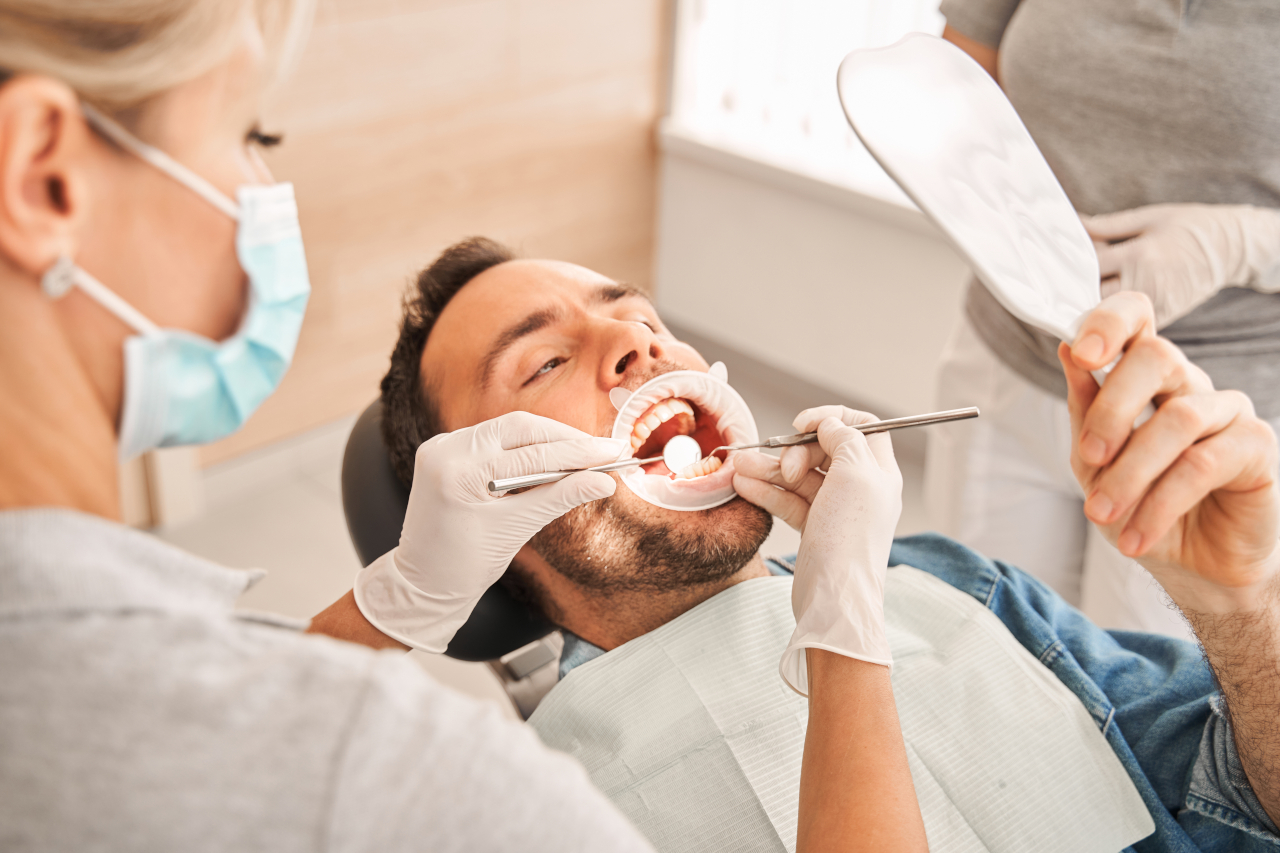
A root canal is designed to preserve a natural tooth, often allowing it to remain functional for many years. But what happens if that tooth begins hurting again? Does recurring discomfort mean the original treatment failed, or could something else be causing the problem? Fortunately, a previously treated tooth does not automatically need to be removed when new symptoms develop.
At The Dental Spot, endodontic treatment in Collegeville, PA focuses on evaluating problems involving the inner tissues of teeth and preserving natural teeth when appropriate. If a tooth that previously received root canal therapy develops discomfort, swelling, or another concerning change, a thorough examination can help identify the cause and determine whether further treatment may be beneficial.
Root canal retreatment is one possible approach when a previously treated tooth develops a new or persistent problem. However, not every patient requires retreatment, and some situations call for another restorative procedure or specialist evaluation. Understanding the possibilities can help you approach the situation with clearer expectations.
Why Might a Root Canal Treated Tooth Hurt Again?
After successful root canal treatment, the diseased or damaged pulp tissue has been removed, the internal canals have been cleaned, and the space has been sealed. Nevertheless, the tooth remains surrounded by living tissues, including the periodontal ligament and supporting bone.
Those surrounding structures can still become irritated or affected by disease. Therefore, discomfort in a root canal treated tooth does not necessarily originate from the same source as the original toothache.
Possible explanations include a new infection, an untreated portion of the canal system, leakage around an existing restoration, a cracked tooth, or problems involving the surrounding gums.
Occasionally, discomfort that appears to come from a previously treated tooth may actually originate from a neighboring tooth or another structure.
Because several conditions can produce similar symptoms, diagnosis matters more than guessing based on pain alone.
What Is Root Canal Retreatment?
Root canal retreatment is a procedure in which a previously treated tooth is reopened so the internal canal system can be evaluated and treated again.
During the procedure, the clinician generally removes existing filling material from the canals, examines the internal anatomy, cleans and disinfects the accessible canal spaces, and places new filling material.
The tooth must then receive an appropriate final restoration to protect it and restore function.
Retreatment may be considered when infection persists or returns, when the original canal treatment did not address all relevant anatomy, or when a new problem allows bacteria to enter the previously treated tooth.
However, retreatment is not always technically possible or predictable. The condition of the tooth, existing restorations, internal anatomy, and remaining structure all influence whether it is a reasonable option.
What Are the Signs That a Previously Treated Tooth Needs Attention?
Some symptoms resemble those associated with an untreated infected tooth. Others may be subtle or develop gradually.
Contact your dentist if you notice:
- Persistent discomfort when biting or chewing
- Swelling near a previously treated tooth
- A recurring pimple-like bump on the gum
- Tenderness in the surrounding tissues
- A new crack or broken restoration
- Unusual pressure or discomfort that continues
- A loose crown or filling exposing the underlying tooth
- Changes identified during a routine dental examination
Importantly, a tooth may have a problem without causing significant pain. Changes around the root can sometimes be discovered through diagnostic imaging.
On the other hand, brief sensitivity or discomfort does not prove that retreatment is needed. A dental evaluation is the appropriate way to determine what is happening.
Can an Infection Return Years After a Root Canal?
Yes. A tooth can develop a new problem long after the original treatment was completed.
For example, a crown or filling may become damaged, allowing bacteria to reach vulnerable areas. New decay can also develop around an existing restoration.
In other situations, complex internal anatomy may contribute to persistent infection. Some teeth have narrow, curved, or difficult-to-access canals that can complicate treatment.
A fracture can also change the outlook of a previously treated tooth. Depending on its location, a crack may allow bacteria to enter areas that cannot be predictably sealed.
Therefore, a new infection does not automatically mean the original procedure was performed incorrectly. Teeth continue to experience normal biting forces, changes in restorations, and other oral health challenges throughout life.
How Does a Dentist Diagnose the Problem?
Evaluation begins with a review of your symptoms and dental history. Your dentist may ask when the original root canal was completed, whether the tooth received a crown, and when the new symptoms began.
A clinical examination can assess the tooth, surrounding gums, existing restoration, and response to pressure or biting.
Dental X-rays may provide information about the roots and surrounding bone. In selected situations, additional imaging may be useful to evaluate complex anatomy or suspected problems.
For example, The Dental Spot describes using advanced dental imaging technology, including cone beam three-dimensional imaging, as part of its diagnostic capabilities.
However, imaging alone does not determine the entire treatment plan. Findings must be considered alongside symptoms, clinical examination, tooth structure, and the likelihood of successful restoration.
Benefits of Root Canal Retreatment When Appropriate
When a previously treated tooth remains structurally sound and retreatment has a reasonable prognosis, additional endodontic care may offer meaningful advantages.
- May preserve a natural tooth: Successful retreatment can sometimes allow a tooth to remain in place instead of requiring extraction.
- Addresses persistent infection: Cleaning and resealing the canal system may help manage an infection associated with the tooth.
- Supports existing dental function: Preserving the tooth can help maintain chewing function and its relationship with neighboring teeth.
- May avoid immediate tooth replacement: Retaining a restorable tooth can sometimes eliminate the need to consider an implant or bridge at that time.
- Allows reassessment of internal anatomy: Retreatment provides an opportunity to address canal areas that may have contributed to the problem.
- Supports a coordinated restorative plan: Endodontic treatment can be combined with appropriate crown or filling care when needed.
These benefits depend on the specific diagnosis. Retreatment cannot guarantee that every previously treated tooth will be saved.
Is Root Canal Retreatment Different From the First Root Canal?
Although the overall goal is similar, retreatment can be more complex because the tooth already contains root canal filling material and may have a crown, post, or other restoration.
The clinician must determine how to access the canal system without unnecessarily weakening the remaining tooth.
Existing materials may need to be removed, and the internal anatomy must be carefully reevaluated.
Some cases are appropriate for treatment by a general dentist, while more complicated situations may benefit from evaluation by an endodontist, a dentist with specialized training in root canal procedures.
For this reason, your dentist may recommend a referral if the tooth requires advanced assessment or treatment beyond the scope of the available services.
Does Root Canal Retreatment Hurt?
Dental discomfort is a common concern, especially when the original tooth problem involved significant pain.
Endodontic procedures are generally performed with local anesthesia to help keep the treatment area comfortable.
Nevertheless, the experience can vary depending on the tooth’s condition, active inflammation, and complexity of the procedure.
Some tenderness afterward may occur as the surrounding tissues recover. Your treating clinician should explain what to expect and provide appropriate post-treatment instructions.
If you have experienced difficulty becoming numb during past dental procedures, mention this during your consultation. Sharing that information can help your dental team plan appropriately.
What If the Tooth Has a Crown?
Many root canal treated teeth have crowns, particularly back teeth that experience significant chewing forces.
When a crowned tooth develops a new problem, the dentist must evaluate both the underlying tooth and the restoration.
In certain situations, access through an existing crown may be considered. In others, the crown may need to be removed or replaced.
The appropriate approach depends on the condition of the crown, its fit, the remaining tooth structure, and the planned treatment.
A damaged crown can also contribute to new decay or leakage. Therefore, evaluating the restoration is an important part of understanding why symptoms have returned.
Root Canal Retreatment or Tooth Extraction: Which Is Better?
Preserving a natural tooth is often desirable when the tooth can be predictably restored. However, extraction may be appropriate when the tooth has a severe fracture, inadequate support, extensive structural loss, or another condition that makes successful treatment unlikely.
Retreatment also has practical considerations, including complexity, expected prognosis, treatment time, and restorative requirements.
If extraction is recommended, your dentist can explain replacement options such as dental implants or bridges when appropriate.
Rather than assuming one option is always superior, compare the long-term outlook of each approach.
A tooth that can be successfully retreated and restored may remain useful for years. Conversely, repeated treatment of a tooth with a poor prognosis may not be the most appropriate choice.
Can You Prevent Problems After Root Canal Treatment?
Although no treatment is guaranteed to last forever, good maintenance can help protect a root canal treated tooth.
Brush thoroughly with fluoride toothpaste and clean between your teeth daily. Pay particular attention to the margins of crowns and other restorations.
Attend regular dental examinations so your dentist can monitor the tooth and surrounding tissues.
Also, avoid using your teeth to open packaging or bite hard nonfood objects. Excessive forces can damage natural teeth and restorations.
If you grind or clench your teeth, discuss it with your dentist. Protective measures may be appropriate depending on your situation.
Finally, do not ignore a loose crown, broken filling, or new tooth discomfort. Early evaluation can help clarify the problem before further damage occurs.
When Should Tooth Pain Be Treated as Urgent?
New discomfort around a previously treated tooth deserves attention, but some symptoms require particularly prompt evaluation.
Contact a dental professional if you develop increasing swelling, persistent significant pain, drainage near a tooth, or other signs of infection.
If swelling is accompanied by difficulty breathing or swallowing, seek emergency medical care immediately.
Do not assume that antibiotics alone will permanently resolve a problem involving an infected tooth. Definitive dental treatment may still be necessary.
Likewise, do not attempt to diagnose a root canal problem based on internet photographs or symptoms alone. Several dental conditions can appear similar without a clinical examination.
Find Out Whether Your Tooth Can Be Preserved
A previously treated tooth that develops new symptoms does not automatically need to be removed. The right decision begins with identifying the source of the problem, evaluating the remaining tooth structure, and comparing realistic treatment options. In some cases, retreatment may help preserve the tooth. In others, a different restorative plan or specialist evaluation may be more appropriate.
If you are experiencing discomfort around a previously root canal treated tooth, contact The Dental Spot in Collegeville, PA, for an evaluation. Call Us Today at (484) 854-6900 to book an appointment and discuss the next appropriate step.