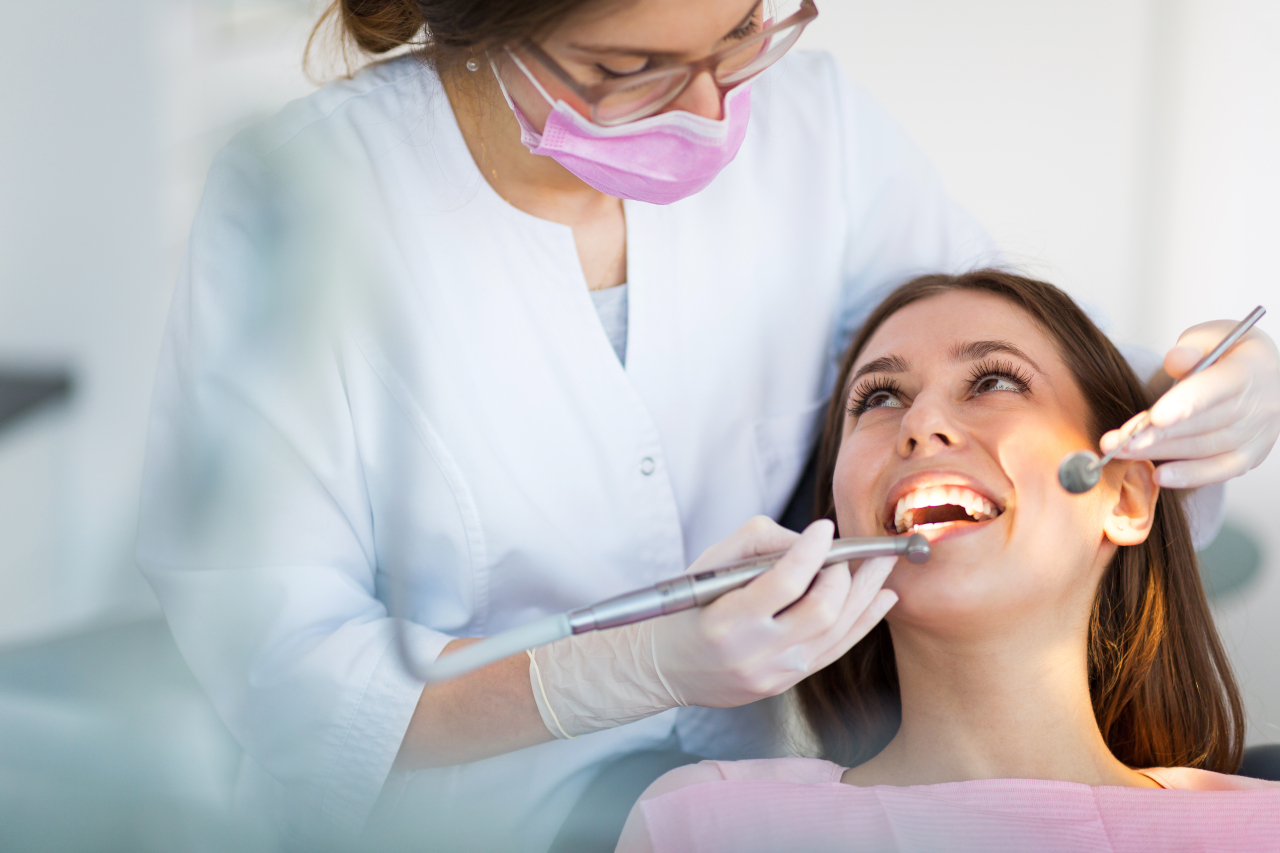
Have you ever left a dental cleaning with your teeth feeling smooth and refreshed, only to wonder when you really need to return? Many patients have heard that they should schedule a dental cleaning every six months. However, others may need more frequent visits based on their gum health, cavity risk, medical history, age, or previous dental treatment.
There is no single schedule that is right for every patient. Preventive dentistry works best when care is personalized. For many people, twice-yearly cleanings provide the right level of monitoring and professional plaque removal. Meanwhile, patients with gum disease, frequent cavities, dry mouth, orthodontic appliances, or certain health concerns may benefit from more frequent appointments.
At The Dental Spot in Collegeville, PA, preventive visits are designed to do more than polish your teeth. They provide an opportunity to remove buildup, evaluate your gums, identify early changes, and help you maintain a comfortable, healthy smile throughout the year.
Why Regular Dental Cleanings Matter
Brushing and flossing are the foundation of good oral hygiene. Nevertheless, even excellent home care cannot always remove every deposit from every surface.
Plaque is a soft film of bacteria that develops continuously on the teeth. When plaque remains in place, it can harden into tartar, also called calculus. Once tartar forms, it cannot be removed safely with a regular toothbrush or dental floss.
Professional dental cleanings remove plaque and tartar from areas that are difficult to reach at home. These areas may include the backs of lower front teeth, surfaces near the gumline, crowded areas, spaces between teeth, and locations around crowns or other dental work.
Regular cleanings may help reduce the risk of:
- Cavities
- Gum inflammation
- Persistent bad breath
- Tartar accumulation
- Gum recession
- Periodontal disease
- Tooth loss related to advanced gum disease
In addition, routine visits allow your dental team to monitor changes over time. A small concern that is identified early may be easier to address than a problem discovered after symptoms appear.
Is Every Six Months the Right Schedule?
A six-month schedule is common because it allows many patients to receive professional cleaning and monitoring twice each year. However, six months should be viewed as a general guideline rather than an unbreakable rule.
Your ideal schedule depends on your individual needs.
A patient with healthy gums, minimal tartar, consistent home care, and a low risk of cavities may do well with cleanings approximately every six months. In contrast, someone who develops tartar quickly or has a history of periodontal disease may need appointments every three or four months.
The purpose of the schedule is not simply to follow a calendar. Instead, it is to prevent disease, monitor oral health, and maintain stable results between visits.
Who May Need More Frequent Cleanings?
Some patients benefit from professional care more often than twice a year.
Patients With Gum Disease
Periodontal disease affects the gums and supporting structures around the teeth. Once gum disease has progressed beyond gingivitis, patients may require periodontal maintenance rather than a standard preventive cleaning.
These visits are often scheduled more frequently because bacteria can recolonize periodontal pockets over time. Regular maintenance helps reduce buildup beneath the gumline and supports long-term stability.
Patients Who Build Tartar Quickly
Some people develop tartar more rapidly than others. Saliva composition, tooth alignment, oral hygiene habits, and other factors can influence the rate of buildup.
Even when someone brushes consistently, tartar may collect behind the lower front teeth or near the openings of salivary glands. More frequent cleanings can help keep this accumulation under control.
Patients With Frequent Cavities
A history of recurring tooth decay may indicate a higher cavity risk. Frequent monitoring allows the dental team to identify early enamel changes and discuss ways to reduce future decay.
Recommendations may include:
- Fluoride treatment
- Dietary changes
- Improved brushing technique
- Prescription-strength dental products
- A shorter interval between visits
Patients With Dry Mouth
Saliva helps rinse food particles away, neutralize acids, and protect enamel. Therefore, reduced saliva flow can significantly increase the risk of cavities and oral irritation.
Dry mouth may result from medications, health conditions, dehydration, or other causes. Patients experiencing persistent dryness may benefit from more frequent preventive care and individualized recommendations.
Patients With Braces or Other Appliances
Orthodontic brackets, fixed retainers, bridges, partial dentures, and other dental appliances can create additional areas where plaque accumulates.
Professional cleanings help remove deposits around these areas and provide an opportunity to review effective cleaning tools.
Patients Who Use Tobacco
Smoking and other forms of tobacco use can increase the risk of gum disease, staining, delayed healing, and oral tissue changes. In addition, tobacco use may make inflammation less obvious by reducing visible bleeding.
More frequent monitoring can be valuable for patients who currently use tobacco or have a history of long-term use.
What Happens If You Skip Dental Cleanings?
Missing one appointment does not automatically mean a serious problem will develop. However, repeatedly postponing preventive care allows more time for plaque, tartar, cavities, and gum inflammation to progress without professional evaluation.
Early gum disease may cause mild bleeding or swelling. Yet because it is often painless, patients may not realize a problem is developing.
Similarly, small cavities may not cause discomfort. By the time a tooth begins hurting, decay may have reached a deeper layer.
Skipping cleanings may contribute to:
- Increased tartar buildup
- Bleeding gums
- Persistent breath concerns
- Cavities that go undetected
- Progression of gum disease
- More complex restorative treatment
- Staining that becomes harder to remove
Preventive appointments are not only about cleaning teeth. They are also about reducing uncertainty. Regular monitoring allows you to understand what is happening in your mouth before a small issue becomes urgent.
Can Good Brushing Replace Professional Cleanings?
Consistent home care can dramatically improve oral health, but it does not replace professional dental cleanings.
A toothbrush removes soft plaque from accessible surfaces. Floss and interdental tools clean between teeth. However, once plaque hardens into tartar, professional instruments are required.
In addition, a dental professional can evaluate areas you cannot easily see. This includes:
- The gumline behind the teeth
- Early signs of recession
- Worn fillings
- Small cracks
- Bite changes
- Areas of inflammation
Home care and professional care work together. One cannot fully replace the other.
What Should You Do Between Cleanings?
The time between appointments has a major influence on your oral health.
To protect your teeth and gums between visits:
- Brush twice each day using fluoride toothpaste.
- Clean for approximately two minutes each time.
- Angle the bristles toward the gumline.
- Clean between your teeth every day.
- Use floss, interdental brushes, floss holders, or a water flosser as recommended.
- Drink water regularly, especially after meals.
- Limit frequent snacking on sugary or sticky foods.
- Pay attention to bleeding, swelling, sensitivity, or discomfort.
- Contact your dentist when changes do not improve.
The frequency of sugar exposure can be just as important as the total amount consumed. Therefore, reducing constant snacking may help lower cavity risk.
Do Children Need Cleanings Every Six Months?
Children commonly benefit from preventive visits approximately every six months, although their individual schedule should be based on their needs.
Children can develop cavities quickly because primary teeth have thinner enamel than adult teeth. In addition, young patients are still developing brushing and flossing skills.
Regular visits give the dental team an opportunity to:
- Monitor tooth eruption
- Identify early decay
- Apply preventive treatments when appropriate
- Reinforce healthy habits
- Answer parents’ questions
- Help children become comfortable with dental care
These visits can also help children build positive associations with the dentist, which may encourage consistent preventive care later in life.
Do Older Adults Need More Frequent Dental Care?
Oral health needs may change with age.
Older adults may experience:
- Dry mouth
- Gum recession
- Root cavities
- Worn restorations
- Reduced dexterity
- Difficulty cleaning around dental work
- Health conditions that affect oral hygiene
Patients with dentures still require regular dental visits. The gums, tongue, oral tissues, bite, and fit of the appliance should be evaluated.
In addition, patients who retain some natural teeth need continued preventive care to protect those teeth.
Age alone does not determine the ideal schedule. However, changing health needs may make regular monitoring especially important.
Signs You Should Schedule Sooner
You should not wait for your usual cleaning date if you notice:
- Bleeding that continues for more than several days
- Swelling around a tooth
- Persistent bad breath
- A loose permanent tooth
- Pain while biting
- A broken filling or crown
- Sensitivity that lingers
- A sore or unusual area that does not heal
- Increasing tartar buildup
Early evaluation can provide reassurance and, when needed, allow treatment to begin before the condition becomes more complicated.
The Long-Term Benefits of Consistent Preventive Care
Regular dental cleanings support more than a polished smile.
They help:
- Maintain comfortable gums
- Reduce bacterial buildup
- Monitor fillings and crowns
- Identify developing concerns
- Reinforce effective home care
- Reduce the risk of urgent dental problems
- Support long-term tooth retention
- Keep your smile feeling fresh and healthy
Consistent preventive dentistry may also help patients avoid the disruption of unexpected dental emergencies. Although no routine can prevent every problem, regular visits make it more likely that concerns will be identified early.
The most effective cleaning schedule is the one designed around your actual oral health. For some patients, that may mean every six months. For others, three- or four-month intervals may provide better protection.
Keep Your Preventive Care on Schedule
You do not need to wait for pain before visiting the dentist. Preventive appointments are designed to help you stay ahead of problems and maintain your natural smile.
To find the dental cleaning schedule that best fits your needs, book an appointment with The Dental Spot in Collegeville, PA. Call (484) 854-6900 to schedule your preventive dental visit.