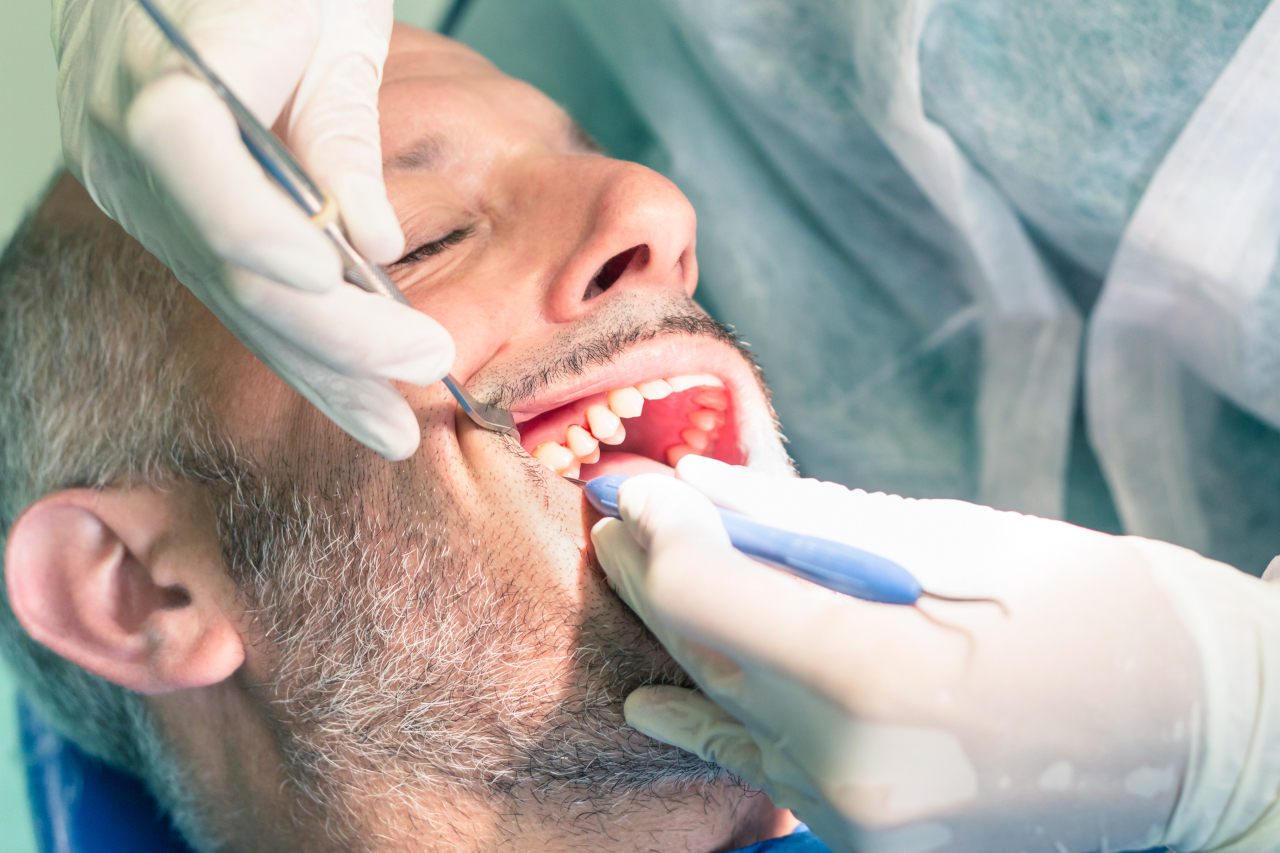
Healthy teeth often receive most of the attention when it comes to oral care, but healthy gums are just as important. Your gums provide the foundation that supports your teeth, helping them remain stable and functional throughout your life. When gum health begins to decline, the effects can extend far beyond occasional bleeding while brushing. Left untreated, gum disease can damage the tissues and bone that support your teeth, eventually leading to tooth loss and other oral health complications.
The challenge is that gum disease often develops gradually. In its earliest stages, many people experience little or no discomfort, making it easy to overlook the warning signs. Mild bleeding during brushing or flossing may seem insignificant, but it is often one of the first indications that your gums need professional attention.
The good news is that gum disease is both preventable and highly manageable when identified early. Through routine dental visits, professional cleanings, and good home care, many patients can maintain healthy gums for life.
At The Dental Spot in Collegeville, PA, gum disease treatment focuses on early diagnosis, personalized care, and helping patients restore and maintain healthy gums before more serious problems develop.
What Is Gum Disease?
Gum disease, also known as periodontal disease, is an infection of the tissues that surround and support your teeth.
It develops when plaque and bacteria accumulate along the gumline and are not removed effectively through brushing, flossing, and professional cleanings.
Over time, these bacteria irritate the gums, causing inflammation. Without treatment, the infection can spread deeper beneath the gumline and begin damaging the bone that anchors your teeth.
Because gum disease progresses in stages, early intervention often makes treatment much simpler and more successful.
The Two Main Stages of Gum Disease
Understanding the progression of gum disease helps explain why early treatment is so important.
Gingivitis
Gingivitis is the earliest stage of gum disease.
At this point, the infection is limited to the gums and has not yet damaged the supporting bone.
Common symptoms include:
- Red gums
- Swollen gums
- Tenderness
- Bleeding while brushing
- Bleeding while flossing
- Persistent bad breath
Fortunately, gingivitis is often reversible with professional dental care and improved oral hygiene.
Periodontitis
If gingivitis is left untreated, it may progress into periodontitis.
At this stage, bacteria begin affecting the bone and connective tissues that hold teeth in place.
As the infection progresses, pockets develop between the teeth and gums, creating areas where bacteria can continue accumulating.
Advanced periodontitis may eventually result in:
- Gum recession
- Loose teeth
- Bone loss
- Tooth movement
- Difficulty chewing
- Tooth loss
Because lost bone generally cannot regenerate naturally, preventing progression remains the primary goal.
What Causes Gum Disease?
The primary cause of gum disease is bacterial plaque.
Plaque is a sticky film that constantly forms on teeth.
When plaque is not removed regularly, it hardens into tartar.
Unlike plaque, tartar cannot be removed through brushing alone.
The rough surface of tartar provides additional areas where bacteria can thrive, increasing irritation along the gumline.
Professional dental cleanings are essential for removing tartar and helping prevent periodontal disease.
Risk Factors for Gum Disease
Although anyone can develop gum disease, several factors increase the risk.
These include:
- Poor oral hygiene
- Smoking or tobacco use
- Diabetes
- Hormonal changes
- Family history
- Dry mouth
- Certain medications
- Poor nutrition
- Chronic stress
- Teeth grinding
Understanding these risk factors allows patients to work closely with their dentist to reduce their likelihood of developing periodontal disease.
Early Warning Signs You Shouldn’t Ignore
Many patients are surprised to learn that healthy gums should not bleed during brushing or flossing.
Some of the earliest warning signs include:
- Bleeding gums
- Redness
- Swelling
- Persistent bad breath
- Tender gums
- Gum sensitivity
Because these symptoms are often painless, people frequently postpone treatment.
Early evaluation allows gingivitis to be treated before permanent damage occurs.
Symptoms of Advanced Gum Disease
As periodontal disease progresses, additional symptoms may develop.
These may include:
- Receding gums
- Teeth appearing longer
- Loose teeth
- Changes in bite
- Spaces developing between teeth
- Pus around the gums
- Pain while chewing
- Persistent bad taste
At this stage, professional periodontal treatment becomes especially important.
Why Gum Disease Often Goes Undetected
Unlike cavities, which frequently cause pain as they worsen, gum disease often progresses quietly.
Many patients experience only mild symptoms until significant damage has already occurred.
Routine dental examinations are valuable because dentists can detect subtle signs that patients may not notice themselves.
Early diagnosis significantly improves treatment outcomes.
How Gum Disease Is Diagnosed
A comprehensive periodontal evaluation typically includes:
- Visual examination
- Measurement of gum pockets
- Evaluation of gum recession
- Assessment of tooth mobility
- Digital X-rays
- Review of medical history
These findings help determine the stage of gum disease and guide treatment recommendations.
Professional Dental Cleanings and Gum Health
Routine dental cleanings play an essential role in preventing periodontal disease.
During professional cleanings, dental hygienists remove:
- Plaque
- Tartar
- Surface stains
- Bacteria along the gumline
These appointments also provide opportunities to monitor changes in gum health over time.
Patients who maintain regular cleaning schedules often experience healthier gums and fewer periodontal problems.
Scaling and Root Planing
When gum disease progresses beneath the gumline, routine cleanings alone may no longer be sufficient.
Scaling and root planing is a specialized deep cleaning procedure designed to remove bacteria and tartar from below the gums.
The procedure involves:
- Removing deposits beneath the gumline
- Smoothing root surfaces
- Reducing bacterial accumulation
- Encouraging gum tissue to reattach
Many patients experience significant improvement following this treatment when combined with excellent home care.
Can Gum Disease Be Reversed?
The answer depends on the stage.
Gingivitis is often reversible because permanent damage has not yet occurred.
However, periodontitis cannot technically be reversed because bone loss is generally permanent.
Fortunately, periodontitis can often be successfully managed through ongoing professional care and diligent home hygiene.
The earlier treatment begins, the better the long-term outlook.
Gum Recession
As gum disease advances, gums may begin pulling away from the teeth.
This recession can expose tooth roots, leading to:
- Tooth sensitivity
- Increased cavity risk
- Longer-looking teeth
- Cosmetic concerns
Addressing gum disease early helps reduce the likelihood of progressive recession.
The Connection Between Gum Disease and Tooth Loss
Teeth depend on healthy gums and supporting bone for stability.
When periodontal disease destroys these structures, teeth may gradually loosen.
Without treatment, advanced gum disease remains one of the leading causes of adult tooth loss.
Preserving gum health is therefore essential for preserving natural teeth.
Home Care for Healthy Gums
Professional treatment is only one part of successful periodontal care.
Daily home habits remain equally important.
Recommended practices include:
- Brushing twice daily
- Flossing every day
- Cleaning along the gumline
- Using fluoride toothpaste
- Following personalized recommendations from your dentist
Consistency plays a major role in maintaining healthy gums.
Nutrition and Gum Health
Healthy eating supports healthy gums.
Foods rich in vitamins and minerals help maintain strong oral tissues.
Beneficial choices include:
- Leafy vegetables
- Dairy products
- Lean proteins
- Fresh fruits
- Whole grains
Meanwhile, limiting excessive sugar consumption helps reduce bacterial growth.
Good nutrition complements professional dental care.
Smoking and Periodontal Disease
Smoking remains one of the strongest risk factors for gum disease.
Tobacco affects:
- Blood flow
- Healing
- Immune response
- Treatment success
Smokers often experience more severe periodontal disease while showing fewer obvious symptoms.
Quitting tobacco benefits both oral health and overall health.
Why Routine Dental Visits Matter
Regular dental appointments allow dentists to monitor subtle changes in gum health before patients notice symptoms.
Routine visits provide opportunities to:
- Measure periodontal pockets
- Remove tartar
- Reinforce home care
- Detect early inflammation
- Evaluate treatment progress
Preventive care remains one of the most effective ways to reduce periodontal complications.
Common Myths About Gum Disease
“Bleeding Gums Are Normal”
Healthy gums generally do not bleed during brushing or flossing.
Bleeding often signals inflammation.
“If My Teeth Don’t Hurt, Everything Is Fine”
Gum disease frequently develops without pain.
Waiting for discomfort may allow significant damage to occur.
“Only Older Adults Get Gum Disease”
Although risk increases with age, gum disease can affect adults of all ages.
Good oral hygiene remains important throughout life.
“Losing Teeth Is a Normal Part of Aging”
Tooth loss is not inevitable.
With proper preventive care and periodontal treatment, many people keep their natural teeth throughout their lives.
The Relationship Between Gum Health and Overall Wellness
Dental professionals increasingly recognize the importance of maintaining healthy gums as part of overall wellness.
Healthy gums contribute to:
- Comfortable chewing
- Fresh breath
- Stable teeth
- Better oral function
- Improved quality of life
Protecting gum health supports long-term oral wellness and helps patients maintain confident, functional smiles.
Why Patients in Collegeville Choose Periodontal Care
Patients throughout Collegeville understand that healthy gums provide the foundation for healthy teeth.
Whether addressing early gingivitis or managing more advanced periodontal disease, professional care can help reduce inflammation, preserve supporting tissues, and maintain long-term oral health.
At The Dental Spot, periodontal treatment focuses on education, prevention, and personalized care designed to meet each patient’s individual needs.
Through routine maintenance and early intervention, many patients successfully manage gum disease while preserving their natural smiles.
Benefits of Early Gum Disease Treatment
Seeking treatment early offers numerous advantages.
Professional periodontal care may help:
- Reduce inflammation
- Eliminate harmful bacteria
- Prevent additional bone loss
- Improve gum health
- Reduce bad breath
- Preserve natural teeth
- Improve oral comfort
- Support long-term dental health
The earlier gum disease is identified, the more treatment options are typically available.
Protect Your Gums and Protect Your Smile
Healthy gums are the foundation of a healthy smile. Even mild bleeding, swelling, or tenderness should never be ignored, as these early signs often indicate the beginning stages of gum disease. With prompt diagnosis, professional care, and consistent home hygiene, many patients can successfully prevent more serious periodontal problems and maintain healthy smiles for years to come.
If you’ve noticed changes in your gum health or it’s time for your routine dental visit, The Dental Spot in Collegeville, PA is here to help. Contact The Dental Spot at (484) 854-6900 to book an appointment and learn how personalized gum disease treatment and preventive care can protect your smile for the future.